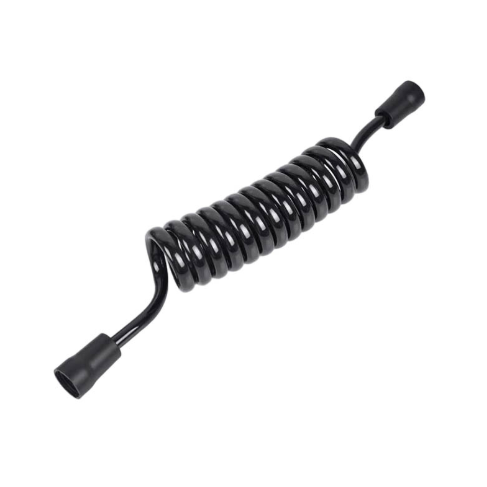
In large residential and hotel bathroom projects, after-sale problems often begin with small Accessories that were not carefully reviewed during procurement. A Shower Hose may seem like a minor fitting compared with faucets, shower mixers, ceramic basins, or bathroom cabinets, but it is touched, pulled, rotated, and cleaned every day after the property is handed over.
For real estate developers, apartment contractors, sanitary ware distributors, and hotel bathroom project buyers, an anti twist shower hose can help reduce one of the most common user complaints: the hose twisting during daily shower use, pulling against the handheld shower, and causing early leakage near the connector.
A shower hose is not a static part. It moves each time the user adjusts the handheld shower, rinses the bathroom wall, washes hair, or cleans the shower area.
When a normal hose twists easily, the movement becomes uncomfortable. The hose may bend against the shower set, hang unevenly, or create pressure near the nut connection. In apartments, hotels, and rental housing, this kind of problem often becomes a complaint after handover.
Once the project is delivered, developers and property managers often become the first contact for bathroom complaints. Even if the hose is not expensive, the repair process still consumes time.
A service worker may need to visit the room, check the leak, replace the hose, record the complaint, and report the issue. When the same problem appears across many units, the total after-sale cost becomes much higher than the cost of choosing a better hose during procurement.
The main value of an anti twist shower hose is not only convenience. It helps reduce repeated torsion at the connector area.
When the hose can rotate more smoothly, the handheld shower moves naturally during use. This helps reduce the risk of loosening, bending, or pulling at the connection point, which is important for bathrooms that will be used heavily after handover.
Residents, tenants, and hotel guests may not know whether the hose has an anti-twist structure. They only notice whether the shower feels smooth to use.
For developers, this matters because a better user experience can reduce unnecessary maintenance requests and improve the perceived quality of the bathroom package.
Bathrooms remain humid for long periods. Cleaning chemicals, water stains, and frequent handling can affect low-quality hoses quickly.
An anti twist shower hose stainless steel option can give buyers better durability and a cleaner appearance for project bathrooms. Stainless steel outer layers also help the hose match common shower heads, faucets, and bathroom hardware finishes.
In large projects, one bathroom may not reveal much, but hundreds of bathrooms create a clear visual standard. If the hose finish varies from batch to batch, the bathroom package may look inconsistent.
Before placing a bulk order, buyers should check surface tone, connector finish, hose flexibility, and matching with other sanitary ware accessories.
A hose sample may look fine when placed on a desk. Real use is different.
Buyers should connect the hose to a handheld shower, rotate it several times, pull it gently, check whether it twists back, and observe how the connector behaves. This gives a better understanding of whether the hose can support daily bathroom use.
For commercial anti twist shower hose bulk orders, consistency is critical. If some hoses feel smooth while others twist easily, installation teams may need to sort products on site.
This slows down installation and creates uncertainty during handover. A project buyer should ask how the supplier controls length, connector size, gasket matching, hose flexibility, and packing before mass production.
The hose must match the selected shower head, mixer, and bathroom set. Poor connector matching may lead to leakage, loose assembly, or repeated adjustment during installation.
Before confirming the order, buyers should review thread type, nut size, gasket quality, hose length, and compatibility with the project’s shower system.
In large projects, accessories are often distributed by building, floor, or room type. If hoses are mixed in unclear cartons, installation teams may waste time checking quantities and matching parts.
Clear packing, stable labeling, and proper protection reduce handling mistakes before the bathroom is completed.
After-sale service becomes more expensive when the same issue appears repeatedly. A better anti-twist structure can help reduce complaints related to difficult movement, twisting, and connector stress.
For developers, this helps protect the handover period and reduces early maintenance pressure after residents or hotel operators begin using the rooms.
Many developers build in phases. Once a shower hose is used successfully in one project, future phases may need the same specification.
Our team can support buyers with shower hose specification discussion, finish matching, bulk order planning, and replacement supply communication.
A shower hose should not be treated as a last-minute accessory in project procurement. It directly affects how the bathroom feels after installation and how often the property team receives maintenance calls.
For developers, hotel contractors, sanitary ware distributors, and project buyers reviewing anti-twist bathroom fittings, our team can help discuss length, stainless steel finish, connector compatibility, and commercial order requirements.
More hose products for bathroom and sanitary ware supply can be found on the JITONE hose website. For projects where after-sale complaints must be reduced before handover, choosing the right hose early is often easier than replacing it later.