A vacuum hose can get clogged when hair, dust, paper, food crumbs, small toys, fabric pieces, pet fur, or dry debris get stuck inside. The first sign is usually weak suction. The vacuum may sound louder than normal, but the floor still does not get clean.
Before replacing the vacuum, check the hose. Many suction problems start there.
Remove the hose from the vacuum if the design allows it. Look through the hose from one end. If light cannot pass through, something may be stuck inside.
You can also drop a small coin or marble through the hose. If it does not come out, the blockage is likely inside. Do not use anything sharp that can cut the hose wall.
For curved hoses, the clog often sits near the bend, handle, or connector.
A broom handle, flexible cleaning rod, or long plastic tool can help push the blockage out. Work slowly. Do not force the tool through the hose, especially if the hose is flexible or ribbed.
If the clog is made of dust and hair, shaking the hose may help loosen it. For dry dirt, tapping the hose gently against the floor can break it apart.
Avoid using metal wires with sharp ends. They may puncture the hose.
Some vacuum hoses can be rinsed with water after the clog is removed. Others should stay dry because of electrical parts, fabric layers, or special internal structure.
Check the vacuum instructions before washing. If water is used, the hose must dry completely before it is reinstalled. Moisture inside a vacuum can create odor, mold, or motor problems.
A vacuum hose needs to bend without collapsing. It also needs enough wall strength so suction does not flatten it during use. If the hose kinks easily, clogs can happen more often.
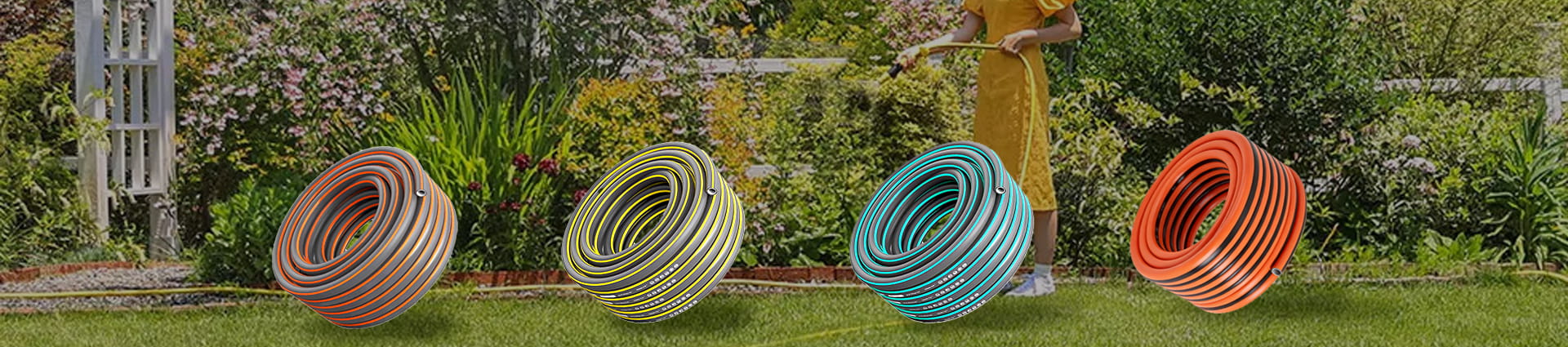
This is very similar to water hose design. A Garden Hose, Shower Hose, High Pressure Hose, or washing machine hose also needs the right balance of flexibility, wall thickness, reinforcement, and connector strength.
We manufacture PVC hose products for different flow and pressure needs, including garden hose, high pressure hose, shower hose, Gas Hose, washing machine hose, and related accessories. In each category, the hose structure is adjusted according to bending, pressure, temperature, and connection requirements.
A clog blocks the inside of the hose. A kink bends the hose so flow or suction is restricted.
For water hoses, kinking can reduce water delivery. For vacuum hoses, it can reduce suction. In both cases, the user feels that the product is not working properly.
For reinforced PVC hose bulk supply, buyers often ask for better anti-kink performance, stronger reinforcement, stable wall thickness, and improved packaging so the hose does not arrive deformed.
Do not vacuum large objects, wet debris, wet pet food, sharp pieces, or anything the machine is not designed to handle. Clean filters and dust containers regularly because poor airflow can make clogs more likely.
Store the hose without crushing it. A hose that is flattened during storage may become easier to clog or kink later.
To unclog a vacuum hose, remove it, check where the blockage is, push or shake out the debris gently, and dry it fully if washing is allowed. If the hose is cracked, collapsed, or permanently deformed, replacement may be better.
For hose product sourcing, the lesson is simple: a hose should keep its internal passage open during real use. That is why diameter, wall thickness, reinforcement, flexibility, and connector design are always part of our product discussions.
For garden hose, high pressure hose, shower hose, washing machine hose, or custom PVC hose projects, prepare the application, length, diameter, pressure rating, flexibility requirement, connector type, and packing style. We can help build a hose product that suits the way your customers actually use it.
Previous: How Long To Run Soaker Hose?