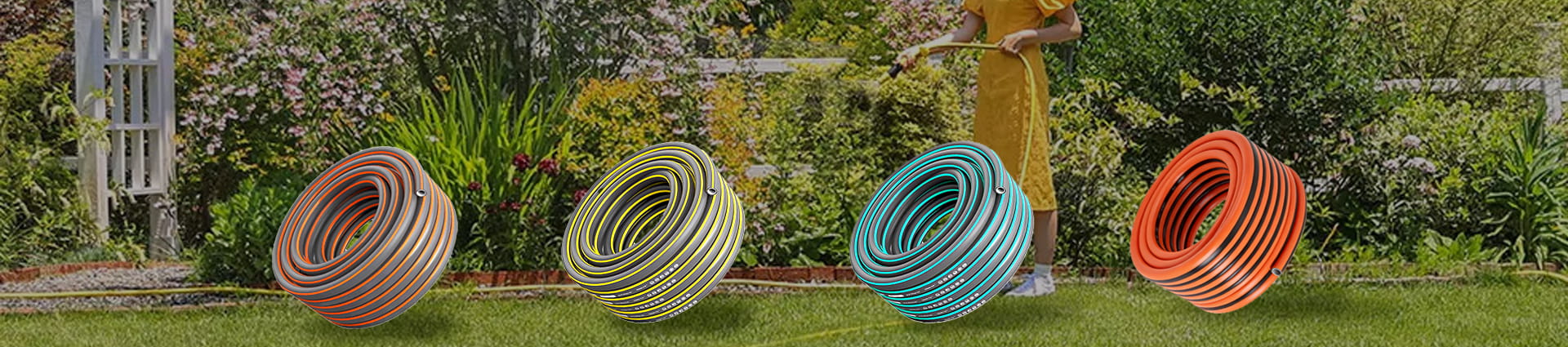
A normal car wash hose connected to a household water supply commonly operates around 40–80 PSI, although actual pressure varies by building, pump, hose diameter, hose length, fittings, and local water system. A conventional Garden Hose used for car washing is different from a pressure washer hose, which must handle much higher pressure from powered cleaning equipment.
Professional buyers should check the hose’s stated working pressure rather than assuming every flexible water hose can withstand the same conditions. A qualified car wash hose wholesale supplier should also explain the difference between working pressure, test pressure, and burst pressure before recommending a product.
Working pressure is the pressure a hose is designed to handle during normal operation. Burst pressure represents the level at which structural failure may occur under controlled testing. Burst pressure should never be treated as the permitted daily operating pressure.
Water pressure can also rise briefly when a nozzle closes suddenly or a pump switches on. These pressure surges are often called water hammer. Repeated surges may place extra stress on the reinforcement layer, couplings, and connections.
For reliable selection, buyers should consider:
Normal inlet pressure
Possible pressure surges
Hose length and internal diameter
Water temperature
Nozzle and connector restrictions
Frequency of use
Surface abrasion
Outdoor storage conditions
A household car wash hose carries water from a tap to a nozzle. It is normally designed for utility-line pressure and manual rinsing.
A pressure washer hose connects a powered pressure washer to a spray gun. Depending on the equipment, it may need to withstand thousands of PSI. The two products are not interchangeable.
| Hose type | Typical use | General pressure environment | Important selection point |
|---|---|---|---|
| Garden or car wash hose | Manual rinsing and foaming | Common household supply pressure | Flexibility, kink resistance and connection quality |
| Reinforced water hose | Frequent cleaning and light commercial use | Higher or less stable utility pressure | Reinforcement and working-pressure margin |
| Pressure washer hose | Powered high-pressure cleaning | Equipment-generated high pressure | Machine rating, temperature, fittings and safety factor |
Always follow the pressure washer manufacturer’s hose specification. A normal garden hose should only be used on the water-inlet side unless the equipment instructions state otherwise.
Yes. A larger internal diameter can support higher water flow when supply pressure and fittings permit it. Common garden hose sizes include 1/2 inch, 5/8 inch, and 3/4 inch.
A narrow or excessively long hose can create pressure loss before water reaches the nozzle. Kinks, small connectors, partially closed taps, and restrictive spray guns can reduce flow further.
For ordinary vehicle washing, 1/2-inch and 5/8-inch hoses are widely used because they balance flow, flexibility, handling, and storage. Commercial washing areas may prefer larger diameters or reinforced structures when longer reach and frequent operation are required.
PVC is commonly used because it offers practical flexibility, water resistance, color options, and cost control. Reinforced PVC adds a braided or wound layer that helps the hose maintain its shape under pressure.
TPE hoses may provide a softer hand feel and convenient handling. Material selection should still account for sunlight, temperature, dragging across concrete, repeated coiling, and local chemical requirements.
Our garden hose products are designed for watering and outdoor cleaning applications, including vehicle washing. Available customization can cover hose diameter, length, color, reinforcement, printing, fittings, and packaging.
Stable car wash hose pressure begins with the material formula and extrusion process. Reinforcement placement, wall thickness, braiding consistency, and connector assembly also influence performance.
Our production system includes extrusion, braiding, and winding operations. From raw material formulation to finished packaging, key steps are managed in-house. Batch evaluation can include working-pressure, burst, aging, and material tests, helping wholesalers reduce variation between samples and mass production.
Choose a hose whose documented working pressure exceeds the expected operating pressure with an appropriate safety margin. Confirm whether the hose will connect directly to a tap, water pump, hose reel, foam device, or pressure washer inlet.
The required specification may change for commercial car wash bays, fleet maintenance areas, automotive detailing shops, and equipment rental businesses because their hoses are used more frequently and dragged across harder surfaces.
Send us your water-source pressure, hose diameter, required length, application, connector standard, temperature range, packaging method, and estimated purchasing quantity. We can review your requirements and recommend a suitable garden hose system for samples, wholesale supply, or a private-label program.
Previous: Which Pipe Is Best for Car Wash?