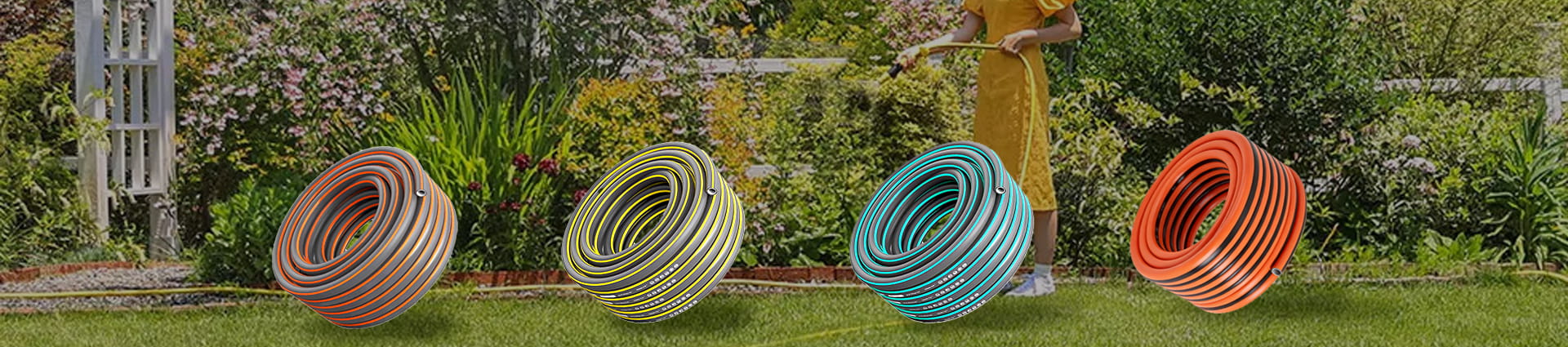
An LPG system requires a hose specifically designed, marked and approved for liquefied petroleum gas service under the applicable local standard. A general water, garden or air hose must not be substituted. Buyers seeking commercial-grade PVC LPG Gas Hose should confirm gas compatibility, pressure, temperature, reinforcement, fittings and market certification before placing an order.
There is no single LPG hose specification for every country or appliance.
The required hose can change according to:
Cylinder or fixed supply
Low-pressure or higher-pressure side
Regulator position
Indoor or outdoor use
Stationary or portable equipment
LPG composition
Hose length
Ambient temperature
Connection type
Local regulations
A short appliance hose after a regulator does not necessarily follow the same requirements as a hose assembly operating closer to cylinder pressure.
The regulator reduces gas pressure before it reaches the appliance. A hose installed before the regulator may experience different pressure conditions from one installed after it.
The hose working-pressure rating must match its actual location in the system.
LPG hoses may be used with compatible:
Cooking appliances
Gas stoves
Outdoor grills
Portable gas equipment
Catering appliances
Heaters
Selected RV installations
Each product can have its own fitting, temperature and regulatory requirements.
Standards, marking rules and permitted materials vary by country. The importing buyer should identify the required standard before the hose structure and printing are confirmed.
Supplier claims do not replace approval by the relevant authority or testing body.
A reinforced flexible LPG hose may contain:
An inner tube formulated for gas contact
Textile reinforcement for pressure support
An outer cover for physical and environmental protection
Printed identification
Compatible fittings or clamps
Our gas hose range includes PVC constructions with an inner tube, reinforcement and outer cover. Available products cover different diameters, lengths, colours and working-pressure requirements.
The published category includes low-pressure gas hose and portable LPG regulator hose configurations. Final suitability must still be confirmed against the intended system and destination requirements.
The following products should not be used merely because they fit the connector:
Garden water hose
Clear general-purpose PVC tube
Compressed-air hose without LPG approval
Automotive fuel hose not specified for the gas system
Shower or washing-machine hose
An unmarked hose of unknown origin
Visual appearance cannot confirm gas compatibility. An unsuitable inner material may soften, harden, swell or deteriorate after contact with LPG components.
Required markings vary, but an LPG hose may need information such as:
Manufacturer identification
Hose type
Relevant standard
Size
Working pressure
Production or traceability code
Permitted gas or application
Expiry or replacement information where required
Printing should remain readable enough for identification during use. Customized printing must not create misleading compliance claims.
Gas hose performance depends on material formulation, wall uniformity, reinforcement and stable layer bonding. Our in-house process covers extrusion, braiding and winding, followed by relevant inspection procedures.
For commercial-grade PVC LPG gas hose, OEM and ODM discussions may cover:
Inner diameter
Hose length
Pressure level
Temperature range
Reinforcement design
Outer colour
Surface printing
Fitting configuration
Packaging
Batch traceability requirements
Pressure and burst testing provide important production evidence, but they are only part of compliance. Buyers must also confirm material and certification requirements for the target market.
Provide the gas type, regulator arrangement, appliance, operating pressure, temperature, fitting drawing, destination country and applicable standard. These details allow us to determine whether an existing hose direction is relevant.
Send your LPG hose specification for review. Do not install a commercial-grade PVC LPG gas hose until its suitability and local compliance have been confirmed by qualified parties.
Previous: What Is An LPG Hose?