A frozen water pipe should be thawed slowly and safely. Sudden heating, open flames, or excessive pressure can damage the pipe and turn a small blockage into a major leak.
When a faucet produces only a weak trickle during freezing weather, the ice blockage is often located in an exposed section of pipe, an exterior wall, an unheated cabinet, a garage, or the point where the water line enters the building.
Start by inspecting the accessible pipework. Look for frost, condensation, unusual swelling, cracks, or water around fittings.
If the pipe is split, bulging, or already leaking, close the main water valve and contact a plumber. Do not continue heating a damaged line while it remains under pressure.
When no visible damage is found, open the affected faucet. Leave both the hot and cold controls open on a mixer faucet. This gives melting water and trapped pressure somewhere to escape.
The frozen area is often between the faucet and the nearest cold exterior section.
Run your hand carefully along the pipe and look for a noticeably colder area. Common freezing points include:
Pipes beside exterior walls
Plumbing under kitchen sinks
Lines in garages and crawl spaces
Water pipes near open vents
Hose connections on outside walls
Uninsulated sections close to foundations
A concealed blockage inside a finished wall may require professional assistance, particularly when there is a risk of hidden water damage.
A household hair dryer is suitable for many exposed pipes.
Begin close to the open faucet and move gradually toward the frozen section. Working from the outlet side allows melting water to leave the pipe instead of becoming trapped behind the ice.
Keep the dryer moving and use moderate heat. Avoid holding it against plastic pipe, insulation, flexible hose, or a fitting for a long period.
Soak towels in hot tap water, wring them out, and wrap them around the frozen pipe.
Replace the towels as they cool. This method is slower than a hair dryer but provides gentle, even heating and is useful where electrical equipment should be kept away from moisture.
An electric heating pad can be wrapped around a dry, accessible pipe. Follow the product instructions and keep plugs and electrical connections away from water.
Do not leave the heating pad operating unattended.
Opening cabinet doors can allow warm indoor air to reach plumbing beneath sinks. A portable electric heater may also warm a small room, provided it is placed safely away from water and combustible materials.
Do not thaw water pipes with:
Blowtorches
Gas burners
Charcoal heaters
Welding equipment
Cigarette lighters
Open-flame space heaters
A flame can damage plastic pipe, weaken soldered joints, ignite nearby materials, and create dangerous steam inside the line.
Boiling water should not be poured directly onto frozen plastic pipes or fittings. Rapid temperature changes may cause deformation or cracking.
Keep the faucet open until normal flow returns. Continue applying gentle heat until the blockage is fully cleared.
Afterward, inspect the entire accessible section for:
Slow dripping
Wet insulation
Loose connectors
Cracks around elbows
Damaged flexible hoses
Water beneath cabinets
Changes in water pressure
Ice expansion may weaken a pipe without creating an immediate large leak. Check the area again after the system has operated for several hours.
Insulate exposed pipes and seal cold air gaps around walls, cabinets, vents, and service-line openings.
During severe cold weather, indoor temperatures should remain reasonably stable. Exterior hoses should be disconnected where required, and outdoor valves should be drained according to the building design.
Flexible appliance and sanitary hoses should also be inspected after freezing conditions. A hose that has become stiff, cracked, flattened, or loose at the connector should be replaced rather than returned to service.
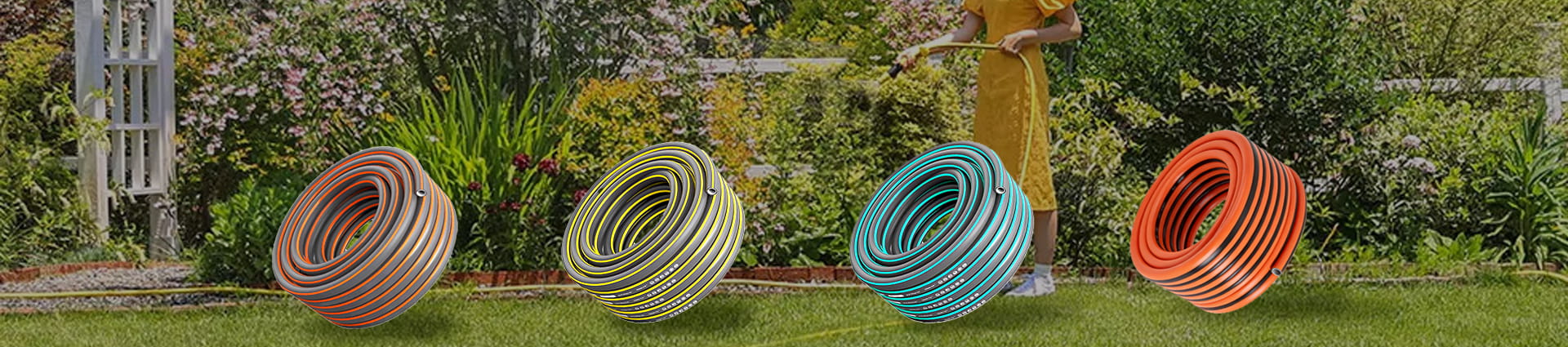
Our factory manufactures Garden Hoses, high-pressure hoses, Shower Hoses, washing-machine hoses, Gas Hoses, and related connection Accessories. Diameter, reinforcement structure, pressure rating, length, fittings, color, printing, and packaging can be adjusted for different OEM and project requirements.
Pressure, burst, aging, and material inspections are used to check batch consistency. However, every hose must still be selected according to its intended fluid, working pressure, temperature, and local installation requirements.
A flexible hose should not be used as a substitute for a permanent building water pipe unless the product is specifically designed and approved for that purpose.
To unthaw a water pipe, open the faucet, locate the blockage, and apply gentle heat using a hair dryer, warm towels, or a suitable heating pad. Begin near the faucet and work toward the frozen section.
Never use an open flame. Once water flow returns, inspect the pipe, fittings, and nearby hoses carefully for damage before considering the problem resolved.