A water pressure booster should be connected with pipework that can handle the full system pressure, maintain adequate flow, and avoid placing unnecessary strain on the pump.
Copper, approved plastic pressure pipe, stainless steel, and flexible pump connectors can all be suitable. The correct choice depends on the pump design, water quality, installation location, local plumbing code, and whether the line carries potable water.
| Pipe Material | Typical Advantage | Points to Check |
|---|---|---|
| Copper | Rigid, durable, widely used in building plumbing | Corrosion conditions, joint quality, installation cost |
| PEX | Flexible and easy to route | Pressure rating, fitting bore, support, local approval |
| CPVC | Corrosion-resistant and suitable for many water systems | Temperature, solvent joints, impact protection |
| Stainless steel | Strong and corrosion-resistant | Cost, compatible fittings, installation skill |
| HDPE or PE pressure pipe | Flexible and useful for supply or underground lines | Approved jointing system and potable-water compliance |
| Flexible connector | Reduces vibration transfer near the pump | Pressure, temperature, diameter, reinforcement, certification |
No material should be selected only because it is convenient to install. The pipe and fittings must be rated above the maximum pressure the system can produce.
The inlet side has a major effect on booster performance.
An undersized inlet pipe increases friction loss and can restrict flow into the pump. This may cause noise, unstable pressure, poor performance, or damage associated with inadequate water supply.
As a practical rule, the inlet pipe should not be smaller than the pump inlet connection. A long inlet run may need a larger diameter, depending on the required flow and the pump manufacturer’s instructions.
The inlet route should be:
As short as practical
Free from unnecessary elbows
Properly supported
Protected from air pockets
Kept clean during installation
Fitted with suitable isolation and filtration components where required
The weight of rigid pipework should not be carried by the pump housing.
The discharge side must carry the increased pressure safely to the building system.
A small discharge pipe may reduce usable flow through friction loss, even when the pressure gauge shows a high reading near the pump.
The pipe diameter should be calculated from:
Required flow rate
Total pipe length
Number of fittings
Building height
Simultaneous water demand
Pump outlet size
Acceptable pressure loss
Increasing the discharge pipe size can be helpful on long runs, but the final design should follow the booster manufacturer’s data and local plumbing requirements.
A booster pump can transmit vibration and operating noise into rigid pipework. Short flexible connectors installed at the inlet and outlet can help isolate this movement.
A suitable connector should have:
A bore large enough for the required flow
A pressure rating above the maximum system pressure
Temperature compatibility
Secure end fittings
Resistance to kinking and collapse
Approval for potable water when required
A narrow flexible hose should not be fitted simply because its thread matches the pump. A reduced internal diameter can restrict the system.
Flexible connectors are also not intended to carry the weight of unsupported pipes. Rigid pipework should be independently secured.
The exact arrangement depends on the pump, but a domestic system may include:
Incoming supply → isolation valve → strainer → flexible connector → booster pump → non-return valve or control assembly → flexible connector → isolation valve → building plumbing
Some systems also require a pressure tank, pressure-relief valve, bypass line, drain, or pressure gauge.
The position of non-return valves and expansion equipment should follow the pump and water-heater instructions. Installing valves in the wrong place can create pressure problems or prevent correct pump operation.
The pressure rating must account for both the incoming pressure and the pressure added by the booster.
For example, a pump does not always produce its rated pressure independently of the inlet. In some installations, the final pressure can be influenced by the supply pressure already entering the unit.
Confirm that the following can handle the maximum possible pressure:
Inlet and outlet pipes
Flexible hoses
Valves
Filters
Water heaters
Storage tanks
Taps and appliances
Threaded connectors
A pressure-relief device may be required where excessive outlet pressure is possible.
A hose or pipe used for drinking water must be made from appropriate materials and meet the certification rules of the destination market.
A product described as a water hose or high-pressure hose is not automatically approved for permanent potable-water plumbing.
Before ordering, specify:
Water type
Working and peak pressure
Operating temperature
Required flow
Internal diameter
Fitting type and thread
Installation length
Applicable drinking-water approval
Indoor or outdoor use
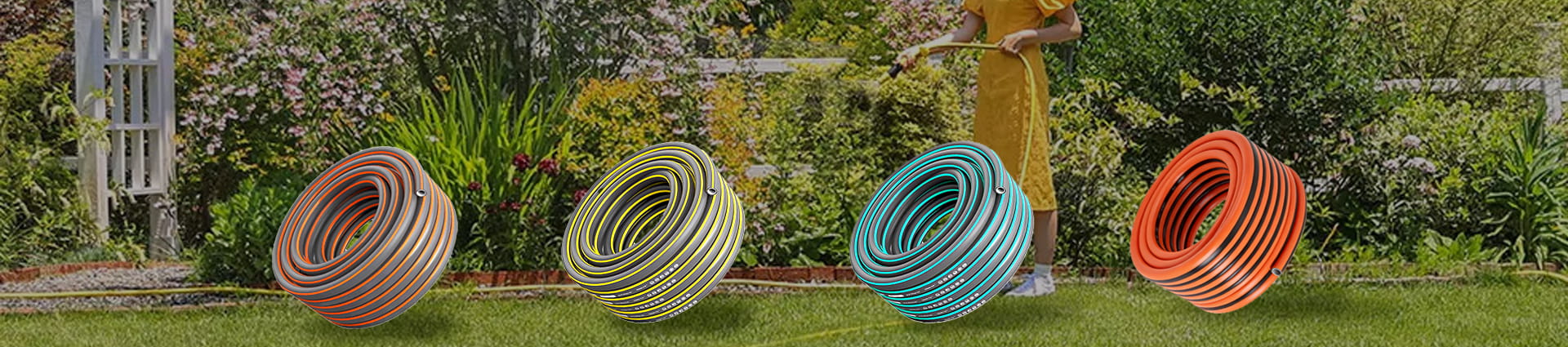
Our in-house production covers PVC hose extrusion, reinforcement, assembly, fitting installation, inspection, and packaging. Customization can include diameter, wall structure, working pressure, color, stripe, printed branding, connector type, and package design.
For booster or equipment-connection projects, buyers should provide the pump inlet and outlet sizes, required flow, maximum pressure, temperature, water-use classification, and destination-market standard.
Samples should be tested with the actual pump before a volume order. This helps verify pressure stability, connection compatibility, bending radius, vibration control, and leak resistance.
Copper, PEX, CPVC, stainless steel, HDPE, and approved flexible connectors may all be used around a water pressure booster. The best material depends on the system rather than one universal rule.
Do not undersize the inlet, support rigid pipework independently, and use flexible connectors only when their bore, pressure, temperature, and certification match the application.