The best method of washing a car is to remove loose dirt first, clean the wheels separately, apply a vehicle-safe shampoo, wash the body from top to bottom with clean tools, rinse thoroughly, and dry with a soft microfiber towel. This process reduces the chance of dragging grit across the paint.
Water delivery also affects the result. A kinked hose, leaking connector, or poorly controlled nozzle slows rinsing and encourages unnecessary handling. Car care distributors and vehicle cleaning brands should therefore work with a reliable export supplier of car wash hoses that can match hose construction to the intended washing method.
Park the car in a shaded, well-ventilated area and allow hot body panels to cool. Washing under strong sunlight can make shampoo and mineral-rich water dry before rinsing, leaving visible marks.
Prepare:
Vehicle-safe shampoo
Wash mitt or soft cleaning pad
Wheel brush
Separate wheel bucket
Clean rinse water
Drying towels
Hose with an adjustable nozzle
Optional foam sprayer or pressure washer
Household dishwashing detergent is generally unsuitable for routine vehicle care because it may remove protective waxes or sealants.
Rinse from the roof downward. This removes dust, sand, mud, and loose particles before physical contact.
Give extra attention to wheel arches, lower doors, bumpers, and other heavily contaminated areas. When using a pressure washer, maintain a safe distance and avoid directing a narrow jet at damaged paint, seals, sensors, or electrical components.
Wheels usually carry brake dust, road grime, and metallic particles. Using the same mitt on the wheels and paint can transfer abrasive contamination to the body.
Work on one wheel at a time. Use compatible wheel cleaner and tools, then rinse before the cleaner dries.
Foam helps soften surface dirt but does not always replace contact washing. Allow the product to dwell according to its instructions without drying on the paint.
A foam nozzle connected to a normal hose can be adequate for household maintenance. Professional detailers may use pressure washer foam equipment for faster and more uniform coverage.
Upper body panels are usually cleaner than the lower sections. Starting at the roof reduces the chance of moving heavy grit over less contaminated paint.
Rinse the mitt frequently. A two-bucket method—one bucket for shampoo and another for rinsing the mitt—can help reduce contamination returned to the paint.
Use straight, controlled movements rather than aggressive circular scrubbing.
Remove all shampoo from panel gaps, grilles, mirrors, trim, wheels, and lower body sections. An adjustable hose nozzle allows the operator to switch between broader rinsing and a more focused stream.
Consistent flow is more useful than excessive pressure during the final rinse. A reinforced hose helps maintain delivery when it is moved around the vehicle, while quality connectors reduce leakage at the tap and nozzle.
Allowing water to evaporate naturally may leave mineral spots. Use clean microfiber drying towels or a vehicle-safe air dryer.
Pat or glide the towel gently rather than pressing heavily. Open doors, the fuel flap, and trunk edges where appropriate to remove trapped water.
Frequency depends on weather, road salt, industrial dust, bird droppings, tree sap, coastal exposure, and driving distance. Contaminants that can stain or chemically attack the finish should be removed promptly.
Regular light washing is often safer than allowing thick contamination to accumulate and then using aggressive cleaning methods.
A practical car wash hose should offer flexible movement, stable water flow, secure connections, and resistance to kinking and abrasion. Products used in detailing shops also need to tolerate repeated pulling across wet concrete floors.
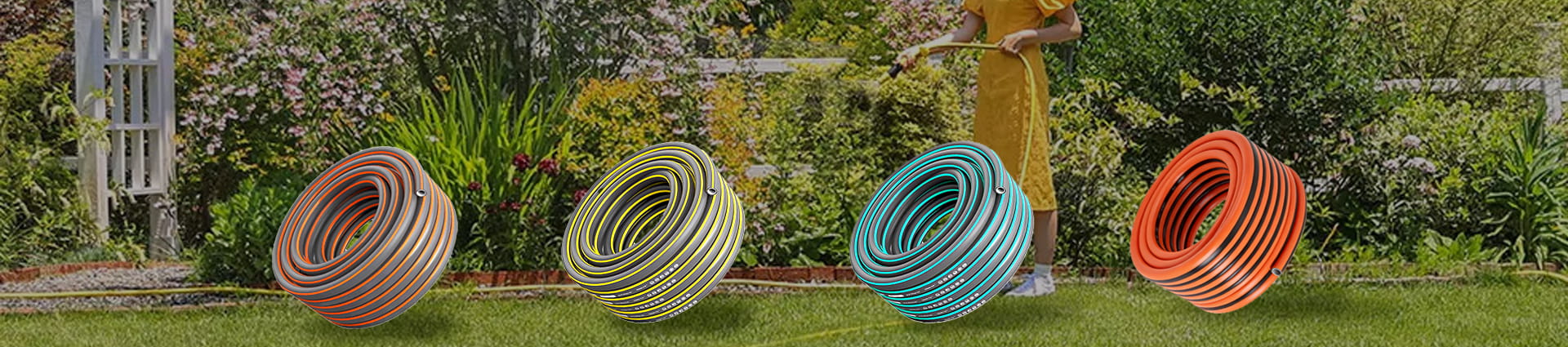
Our garden hose systems can be configured with different lengths, diameters, nozzles, connectors, tap adapters, colors, and packaging. Reinforced PVC or TPE structures can be selected according to the operating pressure, handling preference, and target price range.
In-house extrusion, braiding, winding, and packaging allow us to manage the product from material formulation to completed retail or bulk packs. Buyers can also review our broader outdoor cleaning applications when planning a multi-product purchasing program.
Send us your target market, preferred material, diameter, length, working pressure, nozzle functions, connector standard, package style, and expected volume. We can prepare a matched hose-and-accessory proposal through our OEM/ODM customization service and provide samples for handling, pressure, and market evaluation.