The car pressure washer vs hose decision should be based on cleaning volume, soil level, labor time, water availability, maintenance cost, and surface risk. A pressure washer usually removes heavy dirt faster, while a hose offers simpler operation and controlled rinsing. Commercial vehicle washing often combines both systems rather than selecting only one.
Fleet depots, detailing centers, equipment rental companies, and car wash operators also need a heavy-duty commercial vehicle washing hose that can withstand frequent movement, wet floors, abrasion, repeated pressure cycles, and connection to reels or cleaning Accessories.
A pressure washer may complete the pre-rinse stage faster, but operational efficiency includes several other factors:
Equipment setup time
Number of vehicles washed
Labor per vehicle
Water consumption
Electricity or fuel consumption
Hose handling and storage
Equipment maintenance
Connector replacement
Downtime caused by leaks
Risk of damaging vehicle surfaces
A hose may be more efficient for light maintenance washing because it requires minimal setup. A pressure washer becomes more valuable when vehicles carry mud, salt, industrial dust, or heavy underbody contamination.
Pressure washers deliver concentrated cleaning energy and can reduce manual effort during pre-rinsing. Their strongest applications include wheel arches, truck steps, utility vehicles, equipment surfaces, and fleet vehicles operating on dusty or muddy roads.
Commercial benefits may include:
Faster removal of heavy loose dirt
Better access to narrow areas
Less scrubbing during pre-rinse
Efficient foam application with compatible accessories
More consistent workflow across heavily soiled vehicles
The operator must select the correct nozzle and distance. Higher pressure is not always more efficient when it increases surface risk or creates unnecessary overspray.
A conventional water hose is easy to deploy, inexpensive to maintain, and practical for frequent light washing. It works well for rinsing shampoo, filling buckets, cleaning tools, and supplying water to a pressure washer.
Its advantages include:
Fast setup
Low equipment cost
Simple operator training
Gentle water delivery
Easy connection to adjustable nozzles
Convenient use across several maintenance tasks
Flow can fall when the hose is too narrow, too long, kinked, or fitted with restrictive connectors. Proper sizing remains important even when high pressure is not required.
A professional wash bay may use a garden or reinforced PVC hose on the water-supply side and a dedicated high-pressure hose between the machine and spray gun.
The supply hose must deliver enough water to prevent pump starvation. The high-pressure hose must withstand machine output, temperature, abrasion, and repeated flexing.
Using the same hose type in both positions is inappropriate because the two sections face very different operating conditions.
Commercial buyers should define the complete duty cycle:
A hose used on 20 vehicles per day experiences more dragging, bending, and pressure cycling than one used weekly at home.
Concrete, workshop floors, gravel, and yard surfaces create different abrasion risks. The outer cover should suit the environment.
Longer hoses improve access around trucks and buses but can be heavier and may reduce flow. Hose reels can improve organization and reduce trip hazards.
Confirm whether the hose will carry clean water only or come into contact with diluted detergents. Material compatibility should be reviewed before ordering.
Threads and quick connectors vary by market and equipment brand. A complete system should match the tap, pump, reel, nozzle, and spray gun.
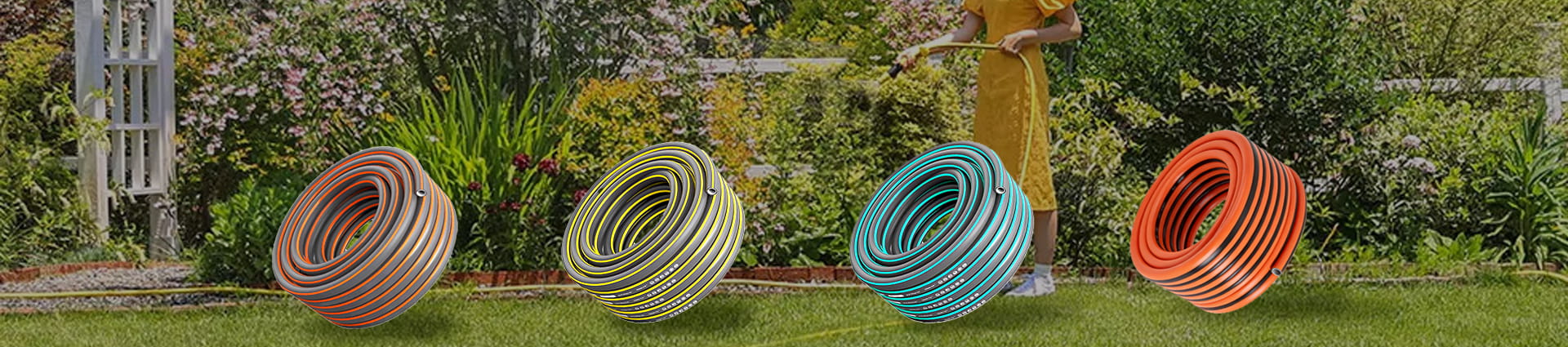
Our garden hose range supports water delivery, outdoor cleaning, and car washing. Our high-pressure hose products cover applications requiring reinforced structures and higher pressure ratings.
We can customize diameter, hose length, pressure grade, material formula, reinforcement structure, color, surface printing, fittings, and packaging. Our in-house laboratory performs pressure, burst, aging, and material checks to support consistent bulk production.
Importers can combine hoses with nozzles, tap adapters, connectors, or hose reel solutions to create a complete vehicle washing range rather than sourcing unrelated components separately.
A hose is usually the efficient choice for light dirt, final rinsing, and low-volume household washing. A pressure washer performs better for high-volume work and heavy contamination.
The strongest commercial setup uses each tool where it adds value: a stable supply hose for water delivery, a correctly rated high-pressure hose for powered cleaning, and a controlled rinse process that avoids wasting water.
Provide the number and type of vehicles washed, equipment pressure, water flow, hose position, daily operating hours, length, diameter, connectors, reel requirements, packaging, and expected order quantity. Contact our team through the JITONE inquiry page for a commercial hose proposal, samples, and bulk pricing.