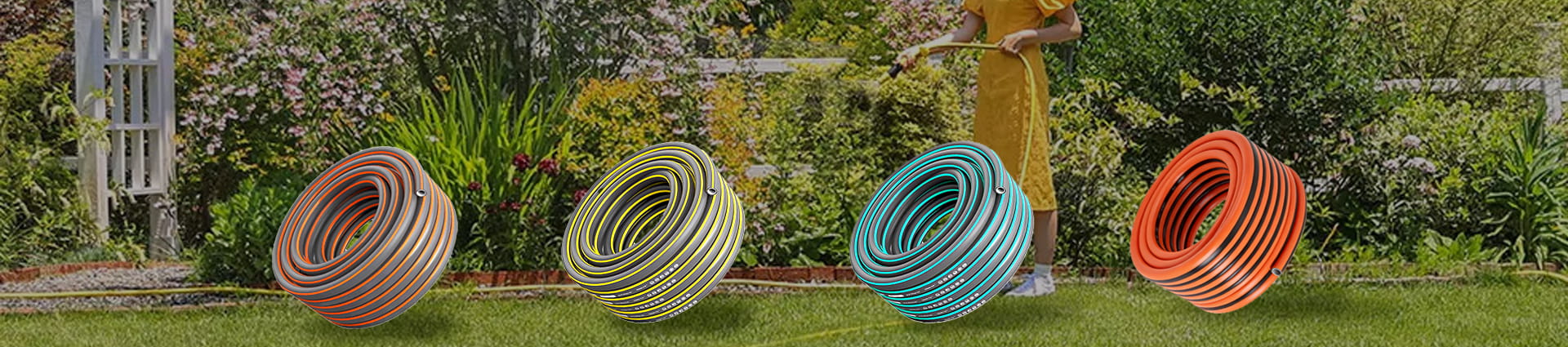
A hose bib is an outdoor water faucet with a threaded outlet designed for attaching a Garden Hose. It is commonly installed on the exterior wall of a house, garage, workshop, commercial building, or utility area.
Depending on the region, the same fixture may also be called a hose bibb, outdoor faucet, spigot, sillcock, wall hydrant, or hose valve. These terms often overlap, although some products have different internal valve positions or freeze-protection structures. A typical hose bib includes a handle, valve stem, body, water inlet, and threaded outlet for a portable hose.
A hose bib creates a convenient connection between a building’s plumbing system and an outdoor water hose.
Common uses include:
Watering lawns and garden plants
Connecting sprinklers and irrigation Accessories
Washing vehicles
Cleaning patios, walls, tools, and outdoor equipment
Filling buckets, tanks, and small pools
Supplying temporary water to landscaping teams
Connecting a pressure washer where the equipment permits it
Most hose bibs are intended for intermittent outdoor water use rather than continuous pressurization for long periods. The exact operating limits depend on the valve design and manufacturer’s instructions.
Turning the handle moves an internal valve stem. When the valve opens, water flows from the building pipe through the faucet body and out of the threaded spout.
A conventional hose bib keeps most of the valve mechanism close to the exterior wall. A frost-resistant wall hydrant uses a longer body so the actual shutoff point is located farther inside the heated part of the building.
This difference matters in cold climates. When a frost-resistant model is installed correctly, water can drain from the exterior tube after the valve is closed. However, a hose or closed accessory left attached may trap water inside and prevent proper drainage. Manufacturers of frost-proof wall hydrants commonly instruct users to remove the hose after use during freezing weather.
This is a basic outdoor faucet with a threaded hose outlet. It is commonly used in mild climates or locations where the water line can be isolated and drained before winter.
The term sillcock is often used for a wall-mounted outdoor faucet. In everyday purchasing, it may refer to either a standard or extended-body design.
This type extends through the wall and shuts off water inside the building. It is intended to reduce freeze damage when installed with the correct drainage angle and used according to the manufacturer’s instructions.
An anti-siphon model includes backflow-protection features. These help reduce the risk of contaminated water being drawn backward through the hose into the potable-water system.
Vacuum breakers are also available as separate fittings for hose-thread faucets. Local plumbing requirements determine where this protection is required.
A lever-operated ball valve can move from fully closed to open with a quarter turn. It is convenient for frequent use, but the internal structure and service conditions differ from a traditional multi-turn valve.
The outlet normally accepts a garden hose or compatible adapter.
The hose assembly may include:
Female threaded coupling
Rubber sealing washer
Hose connector
Quick-connect adapter
Spray nozzle
Watering gun
Sprinkler
Hose reel
Tap adapter
Vacuum breaker
A leaking connection does not always mean the faucet threads are damaged. A missing, hardened, or incorrectly seated washer inside the female hose coupling is a common cause of water leaking at the connection.
A hose bib may use a 3/4-inch hose-thread connection while the attached hose has a 1/2-inch, 5/8-inch, or 3/4-inch internal diameter.
The thread size describes the connection at the faucet. The hose diameter describes the internal water passage through the flexible tube.
This distinction is important when ordering:
Replacement couplings
Tap adapters
Quick connectors
Repair fittings
Hose reels
Nozzles
Complete garden hose sets
A connector can fit the faucet thread but still be unsuitable for the hose diameter at the other end.
Leaks commonly appear at several points.
The packing or sealing component around the valve stem may be worn or loose.
The internal washer, valve seat, cartridge, or stem assembly may be worn.
Check the washer inside the female coupling. Confirm that the connector is straight and not cross-threaded.
Stop using the faucet and arrange an inspection. A cracked pipe, freeze-damaged wall hydrant, or loose plumbing connection can release water into the building structure.
A hose bib normally needs little maintenance, but a few habits can extend its service life:
Close the valve without excessive force.
Replace worn hose washers.
Disconnect hoses before freezing weather.
Keep the outlet threads clean.
Do not hang excessive hose weight from the faucet.
Inspect vacuum breakers and adapters for leakage.
Drain seasonal outdoor water lines where required.
Repair wall movement or loose mounting screws.
When a frost-resistant faucet continues dripping, the long internal stem or seat may need replacement rather than simply tightening the handle.
We manufacture PVC and reinforced PVC garden hoses, hose reels, nozzles, brass connectors, tap adapters, and other accessories for outdoor watering and cleaning systems. Our garden hose range includes 1/2-inch, 5/8-inch, and 3/4-inch options, with customized lengths, colors, fittings, labels, and packaging available for OEM and ODM orders.
For wholesale or retail programs, buyers should confirm:
Target-market faucet thread
Hose internal diameter
Hose length
Connector material
Washer specification
Working pressure
Nozzle arrangement
Packaging method
Required adapters
Supplying the hose, couplings, nozzle, and faucet adapter as a matched system helps reduce complaints caused by incompatible components.
A hose bib is the connection point between building plumbing and an outdoor hose system. It looks simple, but its thread, valve type, freeze protection, backflow control, and connected accessories all affect daily use.
Before ordering a hose or adapter, confirm both the faucet thread and the hose diameter. This is more reliable than choosing a connector only because it is described as “standard.”